Root Canal Therapy in Munford: When Tooth Pain Means the Tooth Can Be Saved
July 10, 2026 9:00 amTooth pain has a way of taking over the day. It may start as a small twinge with cold drinks, then turn into a deep ache that keeps coming back. Maybe chewing on one side feels impossible. Maybe the pain wakes you up at night, or you find yourself avoiding coffee because heat makes the tooth throb.
When a tooth hurts like that, many people worry it means the tooth has to come out. Sometimes extraction is the right answer, especially if the tooth is badly cracked or too damaged to rebuild. However, in many cases, root canal therapy can treat the problem inside the tooth and help keep the natural tooth in place.
Root canal therapy is used when the pulp inside the tooth becomes inflamed or infected. The pulp contains nerves, blood vessels, and soft tissue. Once it is damaged by deep decay, a crack, trauma, or a leaking restoration, the tooth may become painful or develop an infection near the root.
At Southern Dental Munford in Munford, TN, Dr. Cheryl Bird can evaluate tooth pain, take X-rays when needed, and determine whether root canal therapy may be able to save the tooth.
Why a Tooth Can Hurt So Much
A tooth is not solid all the way through. Under the enamel and dentin, there is a soft inner space that holds the pulp. When that pulp is healthy, you do not think much about it. However, when it becomes inflamed or infected, the pain can be hard to ignore.
Deep decay is one common reason this happens. A cavity may start small on the surface, then grow deeper over time. Once bacteria reach the pulp, the tooth may become sensitive, painful, or infected.
A crack can cause similar trouble. Even a crack that is hard to see can allow bacteria or pressure to irritate the inside of the tooth. Sometimes the pain shows up only when biting or releasing the bite. Other times, it turns into lingering sensitivity or a deep ache that keeps returning.
Dental trauma can also injure the pulp. A fall, sports injury, or hard hit to the mouth may damage the nerve, even if the tooth does not break. In some cases, symptoms show up right away. In others, the tooth may darken or become painful weeks or months later.
When Tooth Pain May Point to the Nerve
Not every toothache means someone needs a root canal. A tooth can feel sore from gum irritation, sinus pressure, grinding, a high filling, or minor sensitivity. However, certain pain patterns make the dentist look more closely at the nerve inside the tooth.
Lingering pain after hot or cold is one example. A quick cold twinge may come from exposed roots or mild sensitivity. But if the pain hangs around after the drink is gone, the pulp may be irritated.
Pain that wakes you up at night can also be a warning sign. So can throbbing, pressure, swelling, or pain that seems to spread into the jaw, ear, or temple.
Biting pain is another clue. If one tooth hurts when you chew or when you release pressure, there may be decay, a crack, infection, or inflammation around the root. At that point, the dentist needs to check the tooth carefully to find out what is actually causing the pain.
At Southern Dental Munford, Dr. Bird can compare your symptoms with exam findings and X-rays to decide whether the tooth may need root canal therapy, a filling, a crown, or another treatment.
How Root Canal Therapy Saves a Tooth
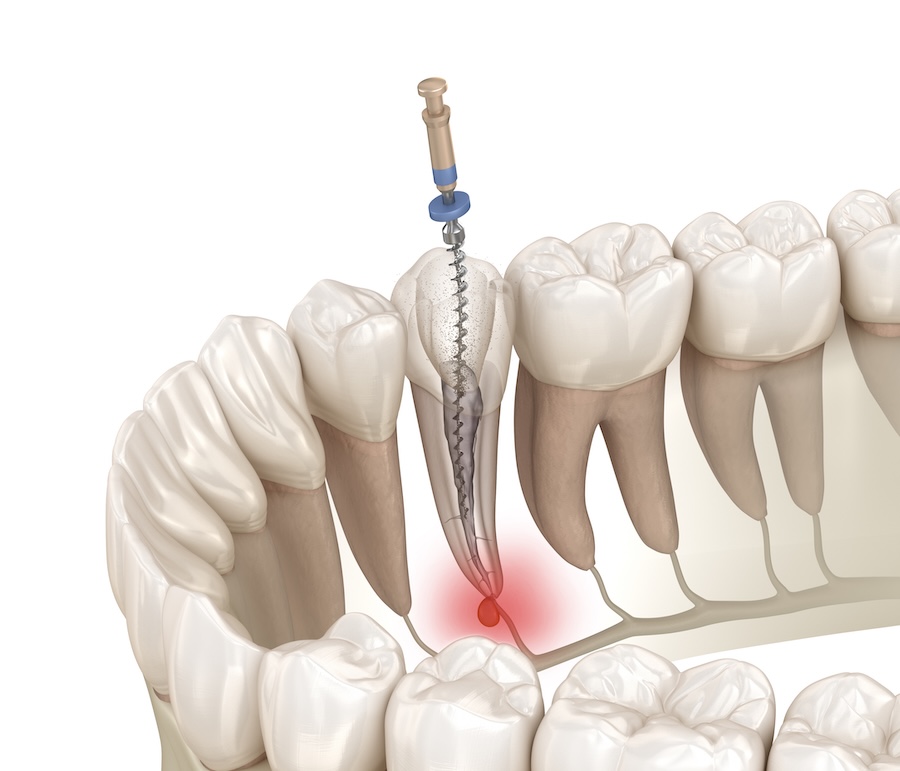
Root canal therapy treats the inside of the tooth. During treatment, the inflamed or infected pulp is removed. The inside spaces of the tooth are then cleaned, shaped, disinfected, and sealed.
Once the infected or irritated tissue is removed, the tooth can often be saved instead of extracted. The tooth no longer has living pulp inside, but the root and outer tooth structure can remain in place.
That is an important difference. Removing the tooth gets rid of the infection source, but it also leaves a gap. A missing tooth can affect chewing, allow nearby teeth to shift, and create the need for a replacement such as an implant, bridge, or partial denture.
Root canal therapy is often a way to treat the infection while keeping your natural tooth. Afterward, the tooth usually needs a permanent restoration to protect it. Many back teeth need a crown because they handle heavy chewing forces and may already be weakened by decay, cracks, or large fillings.
Signs an Infection May Be Present
A tooth infection may start quietly before it becomes hard to ignore. At first, you may notice sensitivity, a dull ache, or pressure around one tooth. As the infection builds, the symptoms can become more obvious.
You may notice a small pimple-like bump on the gums near the painful tooth. This can be a draining area from an infection near the root. It may come and go, and it may leave a bad taste in the mouth.
Swelling in the gums, jaw, or face should be taken seriously. A tooth infection can spread beyond the tooth if it is not treated. Fever, worsening swelling, trouble swallowing, or difficulty breathing need urgent medical attention.
A tooth may also become darker after trauma or nerve damage. That color change can mean the pulp inside the tooth has been injured or has died.
If you notice swelling, drainage, throbbing pain, or a tooth that feels high when you bite, call Southern Dental Munford. Dr. Bird can check whether the infection is coming from the tooth and discuss the next step.
Why Antibiotics Alone Usually Do Not Fix the Tooth
Antibiotics can be helpful in some dental infection situations, especially when swelling is spreading or there are signs the body is fighting an infection. However, antibiotics usually do not solve the source of a tooth infection by themselves.
That is because the infected or dead pulp remains inside the tooth. Medication may calm symptoms for a short time, but the bacteria inside the tooth can still be there. Once the antibiotic is finished, pain or swelling may return.
Root canal therapy treats the source by removing the infected tissue from inside the tooth and sealing the canals. In other cases, extraction may be needed if the tooth cannot be saved.
Because of that, a painful tooth should be evaluated rather than managed with repeated antibiotics or leftover medication. The tooth needs a diagnosis, not just a temporary break from symptoms.
What Happens During Root Canal Therapy
A root canal appointment usually starts with numbing the tooth and surrounding area. Once the tooth is numb, Dr. Bird creates a small opening in the tooth to reach the pulp chamber and root canals.
Next, the inflamed or infected pulp is removed from inside the tooth. Then the canals are cleaned and shaped so they can be filled properly. The space is disinfected and sealed to reduce the chance of bacteria returning.
Depending on the tooth and the situation, treatment may be completed in one visit or more than one visit. If there is infection, swelling, or a more complex root shape, additional steps may be needed.
After the root canal is finished, the tooth needs to be restored. Sometimes a filling is placed. More often, especially on molars or premolars, a crown is recommended to protect the tooth from cracking under chewing pressure.
Will a Root Canal Hurt?
Root canals have a reputation that is much worse than the actual experience for most patients. Often, the pain people remember is the toothache before treatment, not the root canal itself.
The tooth is numbed before the procedure begins. During treatment, you may feel pressure, vibration, or movement, but you should not feel sharp pain. If you do feel discomfort, let the team know so they can adjust the numbing or give the tooth more time.
After the appointment, the area may feel sore for a few days. That soreness usually comes from inflammation around the tooth and from the tooth being worked on. It should gradually improve.
However, if pain gets worse, swelling develops, or the bite feels high, call the office. A bite adjustment or follow-up may be needed. Most patients are able to return to normal routines fairly quickly, although chewing on the treated tooth may be limited until the final restoration is placed.
Why the Tooth Often Needs a Crown Afterward
A tooth that needs a root canal has usually been through a lot already. It may have deep decay, a large filling, a crack, or a history of trauma. Removing the infected pulp solves the inside problem, but the outside of the tooth still needs strength.
Back teeth take heavy chewing force. After root canal therapy, a molar or premolar can be more likely to crack if it is not protected. A crown covers the tooth and helps distribute chewing pressure more evenly.
Front teeth may not always need crowns after root canal therapy, depending on how much tooth structure remains and how the bite comes together. Some may only need a filling or bonding. The recommendation depends on the tooth.
Dr. Bird can explain what restoration is needed after treatment and why. The final restoration is part of saving the tooth, not just a cosmetic step.
When a Tooth May Not Be Saveable
Root canal therapy can save many teeth, but not every tooth can be restored. If a tooth is cracked below the gumline, has severe bone loss, has too little healthy structure left, or has a fracture through the root, extraction may be recommended.
A tooth also needs to be restorable after the infection is treated. If there is not enough tooth left to support a filling or crown, saving it may not be predictable.
This can be disappointing, especially if the tooth has been painful and you were hoping for a root canal. Even then, the decision should be based on whether the tooth can function long-term after treatment. A root canal is only helpful if the tooth can be rebuilt and used comfortably.
If extraction is needed, Dr. Bird can discuss replacement options. Depending on the case, that may include a dental implant, bridge, or partial denture.
What Happens if You Wait Too Long
Waiting on tooth pain can make the situation more complicated. A small cavity may become a deep cavity. An inflamed nerve may become an infected tooth. A tooth that could have been saved with a root canal and crown may crack or lose too much structure.
Pain may also become harder to manage. Some people have days where the tooth seems calmer, then it flares again. That does not always mean the problem is going away. Sometimes the nerve is changing, or infection is building around the root.
Swelling is especially important. Once infection moves beyond the tooth, treatment may become more urgent. Antibiotics may be needed in addition to dental treatment, and severe swelling can become a medical concern.
If a tooth has been hurting for more than a day or two, reacts strongly to temperature, or hurts when you bite, it is better to have it checked. Finding out what is going on gives you more options.
Root Canal Therapy vs Tooth Extraction
When a tooth is painful or infected, the two main paths may be saving it with root canal therapy or removing it. The right choice depends on the condition of the tooth.
Root canal therapy keeps the natural tooth in place. This can help maintain chewing function, keep nearby teeth from drifting, and avoid a gap in the smile. After the tooth is restored, it can continue working like part of your natural bite.
Extraction removes the tooth and the infection source, but it leaves space behind. If that space is not replaced, nearby teeth can shift, the opposing tooth can move, and chewing may change. Replacing the tooth later may involve additional time and cost.
Sometimes extraction is the better choice. However, if the tooth can be saved, root canal therapy may help preserve the natural structure and avoid replacement treatment.
Dr. Bird can explain which option is more realistic after examining the tooth and reviewing X-rays.
What to Do if You Have Tooth Pain Now
If you have tooth pain, pay attention to what triggers it. Cold, heat, biting, sweets, and pressure can all give clues. Notice whether the pain is quick or lingering, mild or throbbing, occasional or constant.
Until you are seen, avoid chewing on that side if biting hurts. Stay away from very hot, cold, or sweet foods if they set off pain. Over-the-counter pain relievers may help temporarily if you can take them safely, but they will not fix the tooth.
Do not place aspirin directly on the gums or tooth. It can burn the tissue and create another problem. Also avoid using leftover antibiotics unless a medical or dental provider has told you to take them.
When you call Southern Dental Munford, describe your symptoms as clearly as you can. Let the team know if there is swelling, fever, drainage, trouble opening your mouth, or pain that is keeping you from sleeping.
Root Canal Therapy at Southern Dental Munford in Munford, TN
Tooth pain does not always mean the tooth has to be removed. In many cases, root canal therapy can remove infection or inflammation inside the tooth, relieve pain, and help save the natural tooth.
At Southern Dental Munford in Munford, TN, Dr. Cheryl Bird can evaluate your tooth pain, review X-rays, and explain whether root canal therapy, a crown, a filling, or another treatment makes the most sense. Call Southern Dental Munford to schedule an appointment and find out whether your painful tooth can be saved.
Categorised in: Dental Tips, Root Canals