
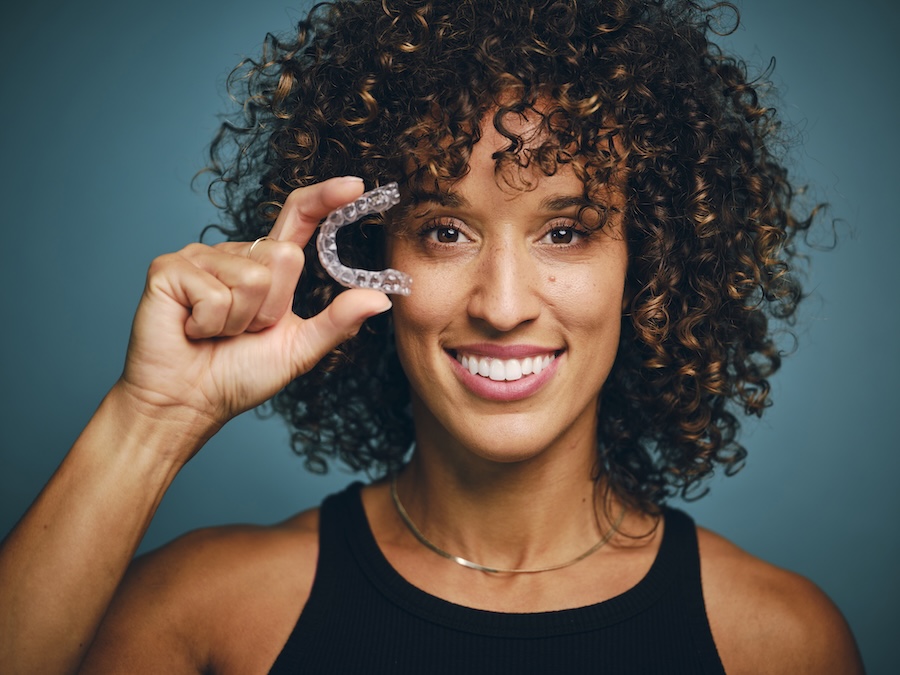
Am I a Good Candidate for Invisalign?
September 25, 2026 9:00 amMaybe there is one crowded tooth you always notice in photos, or a lower front tooth that seems to have edged farther out of line every year. Maybe your teeth look fairly straight until you bite down and realize they do not meet as comfortably as you would like. Invisalign can work well for many adults and teens, but the answer depends on what your teeth actually need to do.
At Southern Dental Munford in Munford, Tennessee, Dr. Cheryl Bird can look at the crowding or spacing you see in the mirror along with the bite, gum health, existing dental work, and the amount of movement needed. Some cases are fairly straightforward. Others involve more rotation, spacing, or bite correction than you would guess from looking at the smile from the front.
What Can Invisalign Treat?
Invisalign can treat many cases of crowding, spacing, and bite problems. One person may need a single tooth rotated into line, while another has several teeth competing for too little room. Those two smiles can look surprisingly similar in a picture and still need very different treatment.
Dr. Bird will look at how the upper and lower teeth fit together, where there is enough room for movement, and whether any teeth are tipped or rotated. She may also notice that one side of the bite is carrying more pressure or that a crowded area is making flossing harder than it should be. All of that goes into deciding whether aligners are a good fit.
Sometimes the tooth you dislike most is only part of what needs to move. Straightening that one tooth may require making room somewhere else first. Invisalign works best when the whole plan makes sense, not just the part you can see in the mirror.
Your Teeth and Gums Need to Be Ready
Before starting Invisalign, Dr. Bird will check for cavities, gum inflammation, and anything else that should be treated first. Moving teeth while the gums are irritated or a cavity is sitting untreated creates problems you do not need halfway through orthodontic treatment. It is much easier to start with a healthy mouth.
That may mean getting a filling done, taking care of bleeding gums, or finishing other dental work before the first trays are made. Aligners fit closely over the teeth, so brushing and flossing also need to be consistent once treatment begins. Food and plaque trapped under a tray for hours at a time can make cavities and gum irritation more likely.
Crowns and fillings can usually be worked into an Invisalign plan. Implants stay fixed in place, so the surrounding teeth have to move around them instead. Dr. Bird will account for the dental work you already have when planning where each tooth can go.
Can You Wear the Aligners Often Enough?
The removable part of Invisalign is convenient, but it also puts some of the treatment in your hands. The trays need to be in for most of the day, coming out mainly for meals, drinks other than water, brushing, and flossing. A tray sitting on your desk for half the afternoon is not moving any teeth.
For someone who eats three meals and moves on, that routine may be easy. If you sip coffee all morning, graze through the afternoon, or tend to forget where you set things down, you may need to adjust a few habits. Most people end up figuring out a system pretty quickly—case in the purse, backpack, or desk drawer, and trays back in as soon as they are done eating.
It is also worth being realistic about whether you will actually wear them. Invisalign gives you the freedom to take the trays out, but that freedom can work against you if they spend too much time out of your mouth. Dr. Bird can walk through the day-to-day side of treatment before you commit.
What Are Invisalign Attachments?
Some teeth need a little extra help moving in the right direction. Small tooth-colored attachments can be bonded to certain teeth so the aligners have something to grip when a tooth needs to rotate, tip, or shift more precisely. They blend in fairly well, although you may feel them with your tongue when the trays are out.
The number and placement vary from person to person. You might have only a few, or several teeth may need them depending on the movements planned. Dr. Bird can show you where they would go before treatment starts.
Attachments also make the trays snap on a little more firmly. Taking the first set in and out may feel awkward for a few days, especially around those spots. After a little practice, most people get much faster at it.
What If I Had Braces Years Ago?
A lot of adults considering Invisalign are dealing with orthodontic relapse. Maybe your retainer stopped fitting, got lost during a move, or slowly disappeared into the back of a bathroom drawer. Meanwhile, the lower front teeth may have started crowding again or a small gap has opened where everything used to line up.
If the relapse is mild, treatment may be much simpler than the braces you remember from high school. Dr. Bird can see how far the teeth have shifted, whether the bite moved with them, and whether Invisalign can bring things back into line. Some people only need a limited correction, while others have had enough movement that several areas need attention.
Retainers become especially important after retreatment because those teeth have already shown that they are willing to move. Once Invisalign is finished, wearing the retainer as directed helps keep them from slowly drifting back again.
What If I Grind or Clench?
Grinding and clenching are also worth looking at before you start Invisalign. You may already notice worn edges, chipped fillings, a tired jaw in the morning, or one area of the bite that feels like it takes most of the pressure. Some people realize they are clenching when they catch themselves doing it halfway through a stressful workday or while driving home in traffic.
Dr. Bird will look at that wear before planning how the teeth should move. As the teeth shift, the way they meet also changes, so the final bite needs to feel comfortable as well as look straighter. That is especially important if you already have a history of chipped dental work or sore jaw muscles.
If grinding continues after Invisalign, you may need an appliance designed for that pressure. Retainers hold the teeth where they were moved, while a nightguard is made to take the force from clenching and grinding. Dr. Bird can recommend what makes sense once active treatment is finished.
What Happens at an Invisalign Consultation?
Dr. Bird will examine your teeth, gums, and bite and talk with you about what you want to change. Digital scans or imaging can help map out the movements and show how much space is available. From there, she can tell you whether Invisalign fits the case or whether another orthodontic approach would work better.
This is also a good time to ask about attachments, how often trays change, follow-up visits, and retainers. If you have a wedding, graduation, long trip, or another event coming up, mention that too. You may care about whether attachments will still be on for family photos or whether you will be between trays during a week of travel, and those are fair things to ask about before you start.
You can also ask what daily life will look like. How often will the trays come out? What happens if one gets lost? How much will your eating or coffee routine need to change? Those are often the questions that tell you whether Invisalign feels realistic for your life.
Invisalign Consultations at Southern Dental Munford in Munford, TN
A good Invisalign candidate usually has healthy teeth and gums, tooth movements that can be handled with aligners, and a routine that makes consistent wear realistic. Some people are trying to fix one stubborn tooth that has bothered them for years. Others are dealing with crowding that has slowly crept back after braces or a bite that has never felt quite settled.
Dr. Cheryl Bird can look at the teeth you notice and the parts of the bite you probably never think about. She can also factor in crowns, fillings, grinding, gum health, and how much movement would be required before telling you what treatment would look like. If floss always hangs up in the same crowded spot or you have started noticing that one lower tooth looks more twisted in every new photo, bring that up too.
If you have been watching one tooth drift farther out of line, fighting floss through the same crowded spot, or wondering whether Invisalign could finally straighten things without going back to brackets and wires, schedule a consultation at Southern Dental Munford in Munford, TN. We’ll take a close look and help you decide whether clear aligners fit your smile and your routine!
Categorised in: Invisalign