
Nightguard Care 101: How to Clean It Correctly and When Replacement Is Worth Discussing
October 9, 2026 9:00 amA quick rinse may be all your nightguard gets before you move on to breakfast. Over time, though, a film can collect in the tooth grooves or leave an odor in the case. Daily nightguard care removes the buildup that rinsing misses. If the guard also starts rubbing or no longer fits over your teeth, leave it out until we can check what has changed.
At Southern Dental Munford in Munford, Tennessee, we make custom nightguards to protect teeth from clenching and grinding forces. Bring your guard to a visit, and Dr. Cheryl Bird can check the areas you’ve been grinding against. We can also show you how to clean its grooves without damaging the material and explain which products to use at home.
Cleaning After Each Use
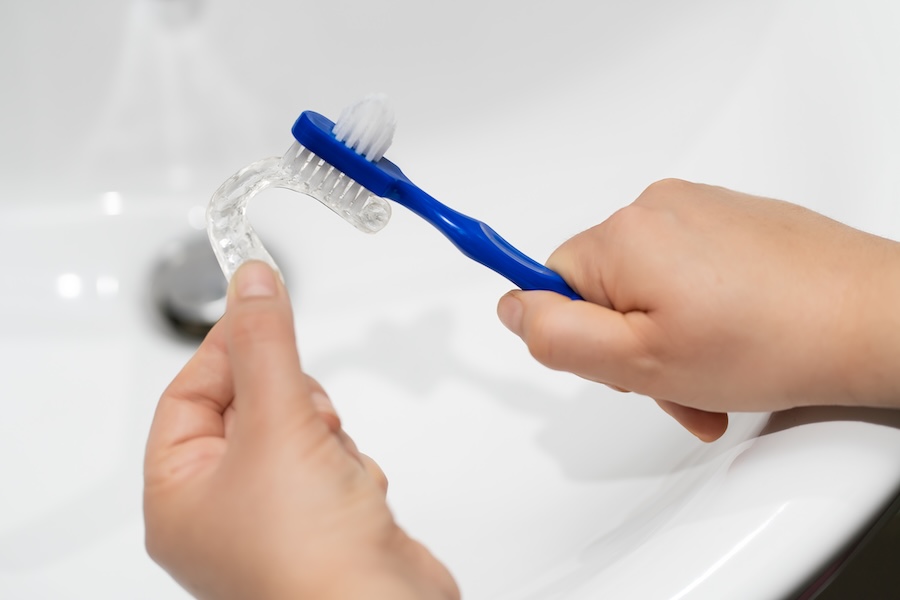
Rinse the guard after taking it out so saliva and loose debris don’t dry onto the surface. For many guards, we recommend a soft brush, cool or lukewarm water, and a mild cleanser that works with the material. Follow the cleaning directions we provide for yours, and check with us before switching products.
Work around the inside grooves as well as the smooth outside. Saliva and plaque can collect in the spaces shaped around each tooth, leaving buildup after the rest looks clean. Use a soft brush and light pressure rather than scraping a stubborn spot with a sharp tool.
Once you finish cleaning, rinse away the cleanser so it doesn’t sit against your teeth when you put the guard back in. If a cloudy patch or deposit remains, bring the guard to your visit. We can check whether it needs professional cleaning or whether wear has roughened the surface.
Heat and Strong Cleaners Can Damage the Material
Keep hot water, boiling, and the dishwasher away from the guard. Heat can change its shape, and even a small distortion may make it tight across several teeth. A hot car can cause the same problem, so take the case inside with you.
Toothpaste can scratch some nightguard materials, even if it works well for your teeth. Bleach, alcohol-containing products, and strong household cleaners can also damage the guard or leave residue. Instead, use the cleanser we recommend for your appliance and rinse it away thoroughly.
A warped guard may feel tight across several teeth or fail to seat all the way. Heating it again to change the fit can distort it further and alter how it meets your bite. Leave it out until we can check whether an adjustment is possible or a new guard is needed.
Soaking Your Nightguard
We’ll explain whether your nightguard can be soaked and which cleaner to use with its material. Some guards tolerate a short soak, while others need a different cleaning method. If you’re unsure about a product you have at home, check with us before using it on your guard.
When we recommend soaking, follow the amount of cleaner and soaking time we give you, then rinse the guard thoroughly. Leaving it in the solution all day can damage or discolor the material. If buildup remains afterward, bring the guard to your visit so we can check the surface and clean it if needed.
The denture-cleaning tablet already in your bathroom cabinet may not work for your nightguard. Likewise, a cleaner someone uses for a retainer may damage a different appliance material. Follow the directions we provide for your guard, and if you’ve misplaced them, we can send you another copy.
Clean the Storage Case
While the guard is out, clean the case so yesterday’s film doesn’t end up against it again. Wash and dry the case as we’ve shown you, including the corners and vents where moisture collects. Then store the guard according to the directions we provide for its material.
For guards that should dry between uses, a ventilated case lets moisture escape after cleaning. Other materials have different storage needs, which we’ll explain when you receive yours. Keep the case away from heat and somewhere it won’t get knocked into the sink or lost among the morning clutter.
A guard wrapped in a tissue can leave with the morning tidy into the trash can before anyone realizes what was inside. Its case keeps it easy to recognize and protects it from being crushed or knocked off the counter. Store it out of reach of pets, since the scent of saliva can make the appliance tempting to chew.
Cracks, Holes, and Worn Areas
Over time, clenching and grinding can leave grooves, worn patches, or thinning in the guard. One person may wear through a section faster than another, depending on the material and pressure it receives. So when we check yours, we look at its condition and fit rather than replacing it just because it has reached a certain age. Still, it’s always better to wear through a replaceable nightguard than to wear away your enamel.
Look for cracks, sharp edges, holes, or areas that have become unusually thin. A broken or loose piece could come free during sleep. Stop using a damaged guard and contact us before wearing it again.
A rough edge may catch your tongue or rub the gum each night. Bring it in rather than filing it down, since trimming can change how the guard fits and meets your bite. We can sometimes smooth an edge or adjust the fit. However, if the guard has cracked or worn too thin to protect your teeth, we may need to make a new one.
New Dental Work Can Affect an Older Guard
A crown or filling can change the shape of a tooth that the guard covers. Tooth movement can alter the fit as well, so bring your guard when you’re having dental work done. We can check how it fits afterward and explain whether it needs an adjustment or replacement.
If the guard keeps feeling tight or you wake more sore after wearing it, we need to check the fit again. You can still clench or grind while wearing a guard, even though it helps protect the teeth from that pressure. So if your jaw keeps hurting, we check the muscles and joints as well as the guard instead of assuming a new one will settle the pain.
Nightguard Checks in Munford
If your guard has become harder to clean, started rubbing, has obvious cracks, or stopped fitting the way it used to, bring it with you. Dr. Bird can check the material and bite, then explain whether cleaning changes, an adjustment, or replacement would help. Schedule a visit with our Southern Dental Munford team in Munford, Tennessee, and let’s keep your nightguard ready for the work it does overnight!
Categorised in: Custom Nightguards