Are Dental Sealants Just for Kids? What Munford Families Should Know
June 24, 2026 9:00 amSealants usually come up when a child’s back molars come in. Those teeth have a lot of little grooves, and some of them are deep enough that a toothbrush does not always clean them well. Kids may brush the front teeth without much trouble, but the far back molars are easier to miss, especially when everyone is trying to get out the door in the morning or get through bedtime without dragging things out.
That is why dental sealants are usually recommended for children. They are placed on healthy permanent molars before a cavity starts. The idea is pretty simple: cover the grooves that tend to hold plaque, then keep checking those teeth at regular visits.
Many dental plans cover sealants for children, especially on permanent molars. So for families, it is often one of the easier preventive treatments to ask about when those back teeth come in.
Adults can get sealants too, but it is less common. Usually, the tooth needs to be healthy, have deep grooves, and not already have a filling or crown on that chewing surface. At Southern Dental Munford in Munford, TN, Dr. Cheryl Bird can look at the tooth and explain whether a sealant would actually be useful or whether the tooth needs something else.
What Dental Sealants Actually Do
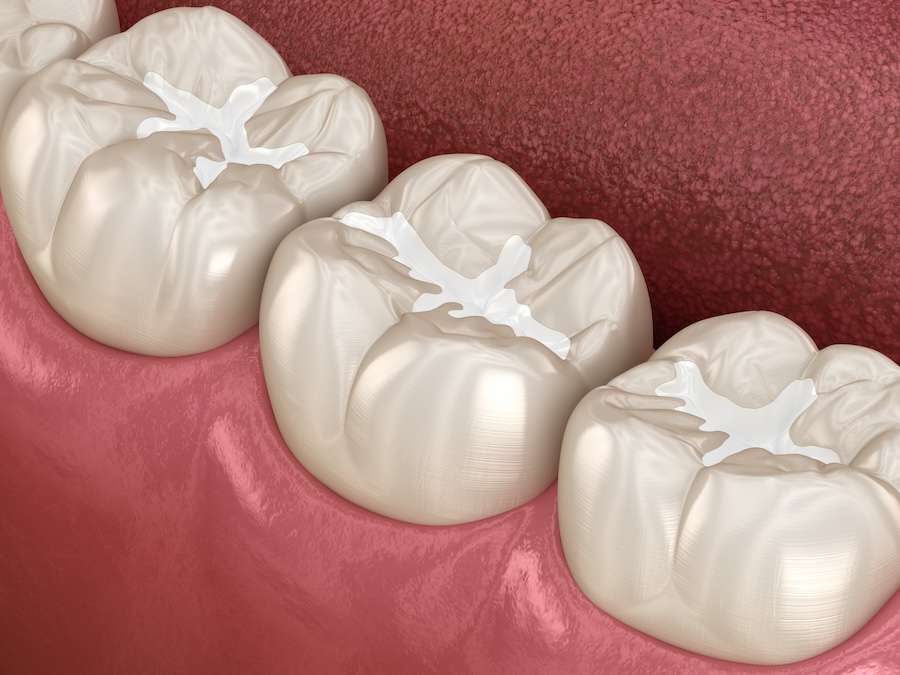
A dental sealant is a thin coating that goes over the chewing surface of a back tooth. It is usually placed on molars because molars have the deepest pits and grooves.
Those grooves can be tricky. Even when someone brushes regularly, a toothbrush may glide over the top of the tooth without reaching all the way into the narrowest parts. Food and plaque can settle there, especially if the grooves are tight and deep.
That does not always mean a child is brushing badly. Sometimes the tooth shape is just working against them. A molar can look clean from the outside, but the grooves may still be holding onto plaque.
The sealant covers those little pits and fissures so they are smoother and easier to clean. It does not wrap around the whole tooth. It also does not replace brushing, flossing, fluoride, or regular checkups. But, it gives the chewing surface a little extra protection in an area where cavities often get started.
Most sealants are clear, white, or lightly tinted. Once they are in place, children usually do not notice them while eating or brushing.
Why Kids Are Usually the Main Candidates
Children are usually the main group for sealants because permanent molars come in during the years when brushing is still a work in progress. Even kids who are pretty good at brushing can rush through the back of the mouth, especially when they are tired or distracted.
The front teeth are easy to see. The back teeth are different. Lower molars may be easier to spot when a child opens wide, but the upper molars sit farther back and can be hard to reach. That is where plaque can sit longer than anyone realizes.
Then there is the timing. When a permanent molar first comes in, it is still a brand-new tooth. It has not had years of brushing, snacking, and chewing behind it yet. Placing a sealant while that tooth is still healthy can help protect the chewing surface before a cavity starts in one of those deep grooves.
Sealants are especially common on the first permanent molars, which usually come in around early elementary school age. Later on, the second permanent molars may be candidates too.
Sealants are often placed while those permanent molars are still new and healthy. That gives the chewing surface some protection during the years when brushing the far back teeth can still be hit or miss.
Dental Sealants Are Often Covered for Children
Many dental insurance plans cover sealants for children because they are considered preventive care. Most of the time, the coverage is tied to permanent molars, since those teeth are more likely to develop cavities in the chewing grooves.
Dental plans do not all handle sealants the same way. One plan may cover only certain molars, while another may stop coverage after a set age or limit how often the same tooth can be sealed.
Still, for many families, sealants are one of the more straightforward things to ask about before a child needs a filling. Instead of waiting until decay shows up, the sealant is meant to protect the tooth while it is still healthy.
Adult coverage is a different story. Many plans do not cover sealants for adults, even if the tooth would benefit from one. That does not mean an adult cannot get a sealant. It just means the cost may come out of pocket, so it helps to ask before treatment.
At Southern Dental Munford, Dr. Bird and the team can look at the tooth, explain whether sealants make sense, and help you understand what your plan may cover.
Adults Can Still Be Good Candidates Sometimes
Sealants are much more common for children, but adults are not automatically out of the picture. Some adults still have healthy molars with deep grooves and no fillings on the chewing surface. In those cases, a sealant may be worth discussing, particularly when the tooth has always seemed harder to keep clean than the rest.
For example, you may brush consistently and still have one back tooth with narrow grooves that stain easily or collect plaque more than you would expect. Your dentist may also notice that you have had cavities in similar grooves on other molars, while this tooth is still healthy. In that situation, placing a sealant can be a way to protect what is still there rather than waiting for the tooth to need a filling.
However, the tooth has to be a good candidate. A sealant does not cover active decay or repair a tooth that already has a cavity. Once decay has reached the point where the tooth needs treatment, a filling is usually the next step instead.
So, for adults, the question is less about age and more about the condition of that particular tooth. Dr. Bird can look at the grooves, check for any early decay, and explain whether a sealant would give the tooth useful protection or whether another option makes more sense.
Deep Grooves Can Be Hard to Clean No Matter Your Age
Some molars have wide, shallow grooves that are fairly easy to brush. Others have narrow pits that go deeper into the chewing surface.
That difference can be frustrating because a person may be doing everything right at home and still have trouble with the same kind of tooth over and over. Brushing harder does not always solve it. In fact, brushing harder can irritate the gums without doing much more for the grooves.
A toothbrush can clean the top surface of a molar well while still missing plaque down in a tiny fissure. As such, some people get cavities on the chewing surfaces of their back teeth even when the rest of their mouth looks pretty healthy.
Dr. Bird may recommend sealants because of the shape of the tooth itself, not because someone has done anything wrong. Some molars simply have more places for plaque to hide.
Sealants Usually Go on Back Teeth
Sealants are most often placed on molars because molars do the most chewing and usually have the deepest grooves. In some cases, premolars may be considered too, especially if they have narrow pits that are hard to keep clean.
Most of the time, the sealant goes on the chewing surface. That is where the grooves are. In some cases, there may also be a deep groove on the side of a tooth that Dr. Bird wants to protect, but the top chewing surface is the usual place.
Sealants are not normally used on the smooth front surfaces of teeth. Those areas are easier to brush and do not have the same deep pits that molars do.
The appointment itself is usually simple. The tooth is cleaned, the surface is prepared so the sealant can bond, and then the material is placed. A curing light is often used to harden it. For a standard sealant, there is usually no drilling and no numbing.
Fortunately, sealants tend to be an easy appointment for kids. The appointment is short, and the tooth is treated before it has turned into a cavity problem.
Sealants Do Not Replace Brushing and Flossing
A sealant protects one part of a tooth. It does not protect between the teeth, along the gumline, or around the sides of the molar.
So brushing and flossing still need to stay in the routine. Cavities can still form between teeth or around the edges of a sealant when plaque is sitting there regularly.
For children, sealants can make the chewing surface a little easier to manage. For adults, they can help with one of those back-tooth areas that seem to collect plaque more easily than the rest.
The daily routine does not need to become a big production. Brush twice a day, clean between the teeth, come in for regular visits, and ask about sealants when a back tooth has grooves that are hard to keep clean.
How Long Do Dental Sealants Last?
Sealants can last for years, but they are not something you place once and forget about forever. They can wear down, chip, or partly come off with normal chewing.
Because of this, your dentist checks them during regular visits. Dr. Bird can see whether the sealant is still covering the grooves well or whether it needs to be touched up or replaced.
Sometimes a sealant stays in good shape for a long time. Other times, part of it wears away sooner, especially if someone clenches, grinds, or chews on hard foods often.
The good news is that a worn sealant can usually be repaired or replaced before that tooth is left fully exposed again. It is another reason to keep up with routine exams, even when everything feels fine.
When a Filling Is Better Than a Sealant
Sealants are preventive. Fillings are for teeth that already need repair. If a tooth has active decay, Dr. Bird may recommend a filling instead of a sealant. The cavity needs to be cleaned out first, and then the tooth needs to be restored.
Sometimes two teeth can look almost the same from the outside, but one is healthy and one already has decay starting beneath the surface. That is where an exam and, when needed, X-rays help sort things out.
A sealant works best when the tooth is still healthy but has grooves that are likely to trap plaque. A filling is used once the tooth has crossed into needing repair. That is why it is wise to ask about sealants early, especially when permanent molars first come in.
What Parents Can Watch for at Home
Parents do not need to examine every molar with a flashlight. Still, there are a few things worth mentioning during a dental visit.
You may notice that your child brushes the front teeth pretty well but rushes through the back teeth. You may also see dark lines in the grooves of a molar. A dark groove does not always mean a cavity, but it is worth pointing out.
It also helps to mention if your child has had cavities in back teeth before, snacks often throughout the day, drinks sweet beverages regularly, or has trouble brushing around newly erupted molars.
Those details can help Dr. Bird decide whether sealants may be useful. Sometimes the best time to ask is when the first permanent molars come in. Later, it may come up again when the second molars erupt.
Even if you are not sure whether your child already has sealants, it is an easy question to bring up at a regular visit.
When Adults Should Ask About Sealants
Adults may want to ask about sealants when they have deep grooves in healthy molars, keep getting cavities on chewing surfaces, or have one or two back teeth that seem hard to keep clean despite a good routine.
It can also be worth asking if you have natural molars that have never needed fillings while other teeth have already been repaired. Those remaining healthy back teeth may be good candidates for a preventive sealant.
Sealants are not useful on every adult tooth. A tooth with a large filling, crown, or active cavity will need a different kind of treatment. However, there is no age cutoff where sealants suddenly stop being an option.
At Southern Dental Munford, Dr. Bird can look at the grooves, the overall condition of the tooth, and your history of cavities before deciding whether a sealant is worth doing.
Dental Sealants in Munford, TN
Dental sealants are usually for children because they protect newly erupted permanent molars during the years when those back teeth can be easy to miss during brushing. Many insurance plans also cover sealants for children, which makes them a practical preventive option for a lot of families.
Adults can benefit in certain situations too, especially when they still have healthy molars with deep grooves and no fillings on the chewing surface.
At Southern Dental Munford in Munford, TN, Dr. Cheryl Bird can check your child’s or your own back teeth and explain whether sealants are a good fit. Call to schedule a visit if you have questions about cavity prevention, deep grooves in molars, or whether sealants may help protect a tooth before it needs a filling.
Categorised in: Dental Sealants