Oral Cancer Screenings in Munford: What to Expect and Why Early Detection Matters
April 14, 2026 9:00 amSometimes the most important part of a dental visit is the part you barely notice. During a routine exam, your dentist isn’t just looking at your teeth and gums. There’s also a quick check of the soft tissues in your mouth—your tongue, cheeks, throat, and surrounding areas. It doesn’t take long, and it usually doesn’t feel any different from the rest of the visit, but it plays an important role in catching changes early.
That quick check is an oral cancer screening.
Because it’s so simple and doesn’t involve any discomfort, it’s easy to overlook how valuable it actually is. But when it comes to oral cancer, timing matters. The earlier something is found, the easier it is to treat and manage.
What an Oral Cancer Screening Actually Involves
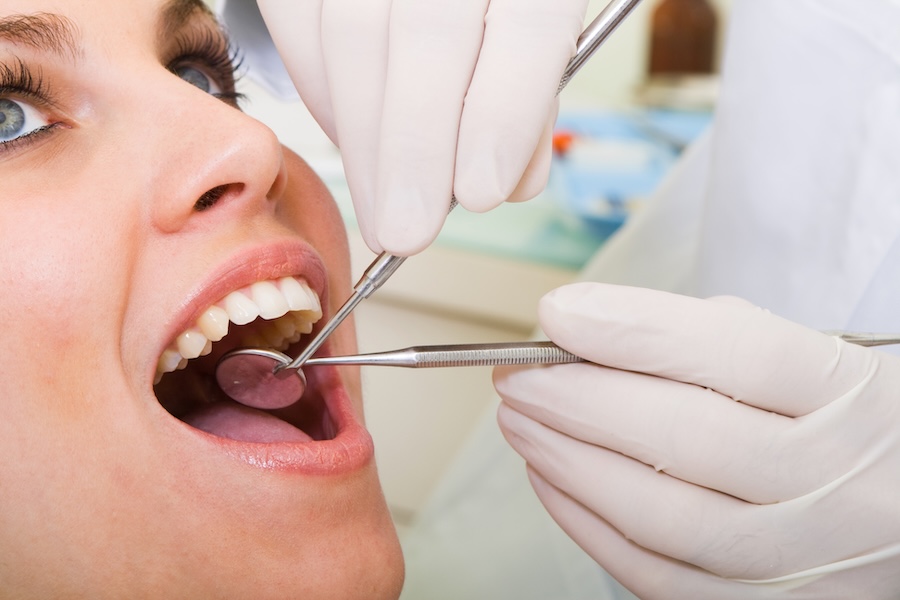
An oral cancer screening is a visual and physical exam of the tissues in and around your mouth.
Your dentist will look at areas like your tongue, the floor of your mouth, the inside of your cheeks, and the back of your throat. They may also gently feel along your jaw and neck to check for any unusual lumps or changes.
The goal isn’t to diagnose anything on the spot—it’s to look for anything that doesn’t appear normal. That could be a sore that isn’t healing, a patch of tissue that looks different, or an area that feels unusual. Most of the time, nothing concerning is found, but having that regular check makes it easier to catch something early if it does show up.
Why Early Detection Makes Such a Difference
Oral cancer doesn’t always cause noticeable symptoms in its early stages.
It may not be painful, and it may not interfere with eating or speaking right away. That’s part of what makes screenings important. By the time symptoms become more obvious, the condition may already be more advanced.
When something is identified early, treatment is usually less involved and more predictable. It can also lead to better outcomes overall. That’s why these screenings are built into routine dental visits—they’re a simple way to stay ahead of something that isn’t always easy to spot on your own.
What Your Dentist Is Looking For
During the screening, your dentist is paying attention to subtle changes.
This can include red or white patches, sores that haven’t healed, thickened areas of tissue, or anything that looks different from what’s typically expected. They’re also noting any swelling or firmness in areas where it shouldn’t be.
Not every unusual finding means something serious. Many changes in the mouth can be harmless or temporary. The key is recognizing when something doesn’t follow a normal pattern and deciding whether it needs to be monitored or evaluated further.
What Happens If Something Looks Different
If your dentist notices an area that doesn’t look quite right, the next step is usually simple and cautious.
In many cases, they may take an intraoral image so the area can be documented and compared over time. This helps track whether the spot is changing, improving, or staying the same. You may also be asked to come back in about two weeks to take another look.
That short follow-up window matters because many minor irritations—like a sore from biting your cheek or irritation from food—tend to heal on their own within that timeframe. If the area improves, no further action is needed.
If it hasn’t changed, or if there’s still concern, Dr. Bird may recommend a biopsy. That step is simply about getting a clear answer. In most cases, it turns out to be nothing serious, but checking it early is always the safer approach.
It’s Quick, But It’s Not Rushed
One of the reasons oral cancer screenings are easy to overlook is how quickly they’re done.
They’re part of your regular routine cleaning and exam, so there’s no separate appointment or extra preparation needed. Even though the process is brief, it’s still a focused part of the visit.
Dr. Bird is trained to notice small details that might not stand out otherwise. That’s what makes the screening valuable—it’s not about how long it takes, but what’s being checked during that time.
When to Bring Up Changes You’ve Noticed
Even with regular screenings, it helps to mention anything that’s felt different.
If you’ve had a sore that hasn’t healed, a persistent rough or irritated area, or anything that just seems off, it’s worth bringing it up during your visit. Changes that last more than a couple of weeks are usually a good reason to take a closer look.
You don’t need to know what it means—that’s what the exam is for. Pointing it out simply helps Dr. Bird focus on that area and decide whether anything further needs to be done.
Screenings Are Part of Staying Proactive
Oral cancer screenings aren’t something most people think about day to day.
They’re built into dental visits because they’re a simple way to check for something that often develops quietly. You don’t have to prepare for it or do anything differently—it’s already part of your care.
Keeping up with regular visits helps make sure those checks happen consistently, which is what allows small changes to be caught early.
Oral Cancer Screenings in Munford, TN at Southern Dental Munford
At Southern Dental Munford in Munford, TN, Dr. Cheryl Bird includes oral cancer screenings as part of every comprehensive exam. The approach is careful without being alarmist—if something looks different, it’s monitored, documented, and followed up appropriately.
If it’s been a while since your last visit, or if you’ve noticed a spot that hasn’t gone away, it’s worth having it checked. A comprehensive dental exam is a simple way to stay on top of your oral health and make sure nothing important is missed.
Categorised in: Oral Cancer Screenings